

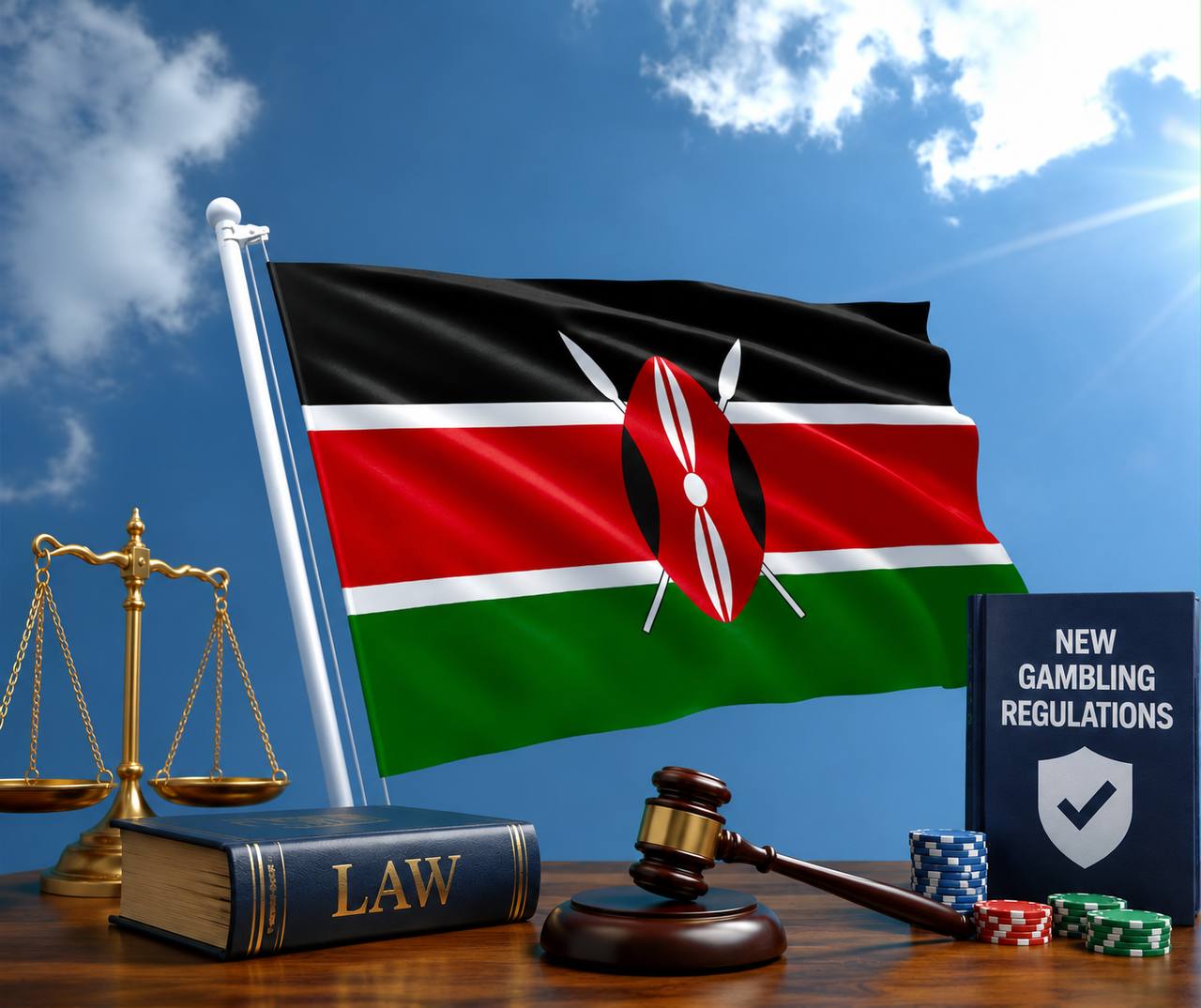
Kenya’s gambling industry has entered a new era following the approval of the country’s new regulatory framework.
The recently established Gambling Regulatory Authority (GRA) officially took over the regulatory responsibilities of the Betting Control and Licensing Board (BCLB), and this marked one of the most significant reforms the sector has witnessed since Kenya’s independence.
Among other reforms, the new authority had a mandate to revise the gambling regulatory rules.
Following this, the authority conducted nationwide public participation forums, giving operators, industry experts, and other stakeholders the opportunity to review the proposed regulations and provide their feedback.
With the regulations now in force, all operators are required to apply for fresh licenses or renew their existing ones under the new regime by July.
The transition is expected to reshape Kenya’s gambling landscape. While many have welcomed the move towards stronger governance and accountability, concerns remain over the substantial increase in licensing and renewal fees, local and foreign key employee applications, local and foreign directors fees and B2B providers licenses with some operators questioning whether the new costs will be sustainable.
The industry is now watching closely to see how the market responds. Will the new regulations create a stronger, more responsible gaming ecosystem, or will the increased cost of compliance force smaller operators out of the market?
One thing is certain: Kenya has positioned itself as one of Africa’s most closely watched gambling jurisdictions, and the outcome of these reforms could influence regulatory approaches across the continent.