

The rapid expansion of online casinos has transformed how players access gaming products, offering convenience, flexibility and an increasingly diverse selection of entertainment options. Yet, despite the industry’s technological progress, physical casinos continue to offer an experience that digital platforms have not fully replicated.
Beyond gaming products, land-based establishments provide an environment built around social interaction, hospitality and entertainment. This combination is becoming an important differentiator as traditional operators seek to maintain their relevance in an increasingly digital marketplace.
The experience goes beyond gaming
Online platforms have made it possible to access casino games from almost anywhere. Players can move between slots, table games and live dealer products without having to visit a physical establishment.
However, the appeal of a land-based casino extends beyond the games available on its floor.
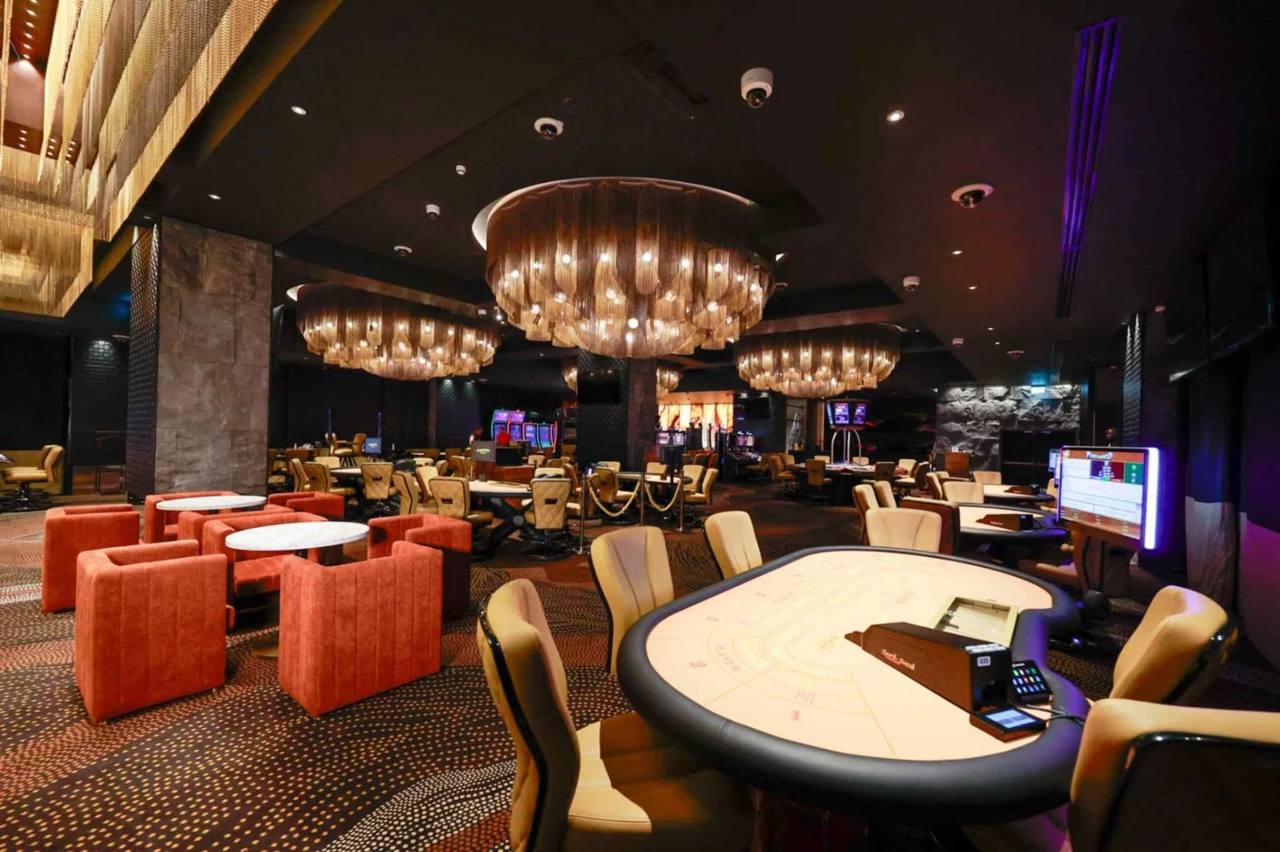
The atmosphere, architecture, lighting, music and human interaction all contribute to the experience. Visitors can enjoy a meal, meet friends, attend an entertainment event or spend time at a hotel while also having access to gaming facilities.
This makes a physical casino more than a place to gamble. It becomes a destination where several leisure activities come together.
For operators, this creates an opportunity to attract visitors whose primary motivation may not necessarily be gaming.
Social interaction remains a key differentiator
One of the defining characteristics of physical casinos is the opportunity for direct human interaction.
Although online operators have introduced live dealers, chat features and multiplayer experiences, these remain digitally mediated forms of engagement.
On a physical gaming floor, players interact directly with dealers, fellow guests and casino employees. The environment encourages spontaneous conversations and shared experiences that are difficult to reproduce through a digital interface.
Customer service also takes a different form. Employees can respond immediately to individual requests, assist visitors and recommend other facilities within the property.
This personal dimension can contribute to customer satisfaction and encourage repeat visits.
Hospitality creates additional reasons to visit
The combination of gaming and hospitality has become an important strategy for land-based operators.
Visitors may arrive for a restaurant reservation, a concert, a hotel stay or a social gathering before deciding to explore the gaming facilities.
Others may attend sporting events, visit retail outlets or enjoy wellness services without necessarily engaging in gaming.
This broader offering allows casinos to reach audiences who might not otherwise consider visiting a traditional gambling establishment.
It also creates opportunities to generate revenue from multiple activities rather than relying exclusively on gaming.
Integrated resorts demonstrate the value of diversification
Macau offers several examples of how casino operators are combining gaming with broader hospitality and entertainment offerings.
Properties such as MGM Macau, MGM Cotai and Wynn Palace bring together accommodation, restaurants, retail, entertainment and convention facilities alongside their gaming operations.
The model reflects a wider shift towards integrated resorts, where the overall visitor experience becomes an important part of the commercial proposition.
Diversification into non-gaming activities can also support tourism, increase visitor engagement and create additional revenue opportunities.
The future of physical casino experiences
Online casinos will continue to benefit from accessibility and convenience, but physical establishments have an opportunity to compete through experiences that require people to be present.
Much like restaurants, live concerts and sporting events, casinos can offer an environment where entertainment and social interaction take place in a shared space.
For land-based operators, the challenge is to understand what motivates people to visit, remain at and return to their properties.
The future competitive advantage may therefore lie not simply in offering more games, but in creating destinations that deliver memorable experiences beyond the gaming floor