

Mexico’s Morena government has pledged to revive plans for a comprehensive overhaul of the country’s gambling laws and licensing framework as soon as possible.
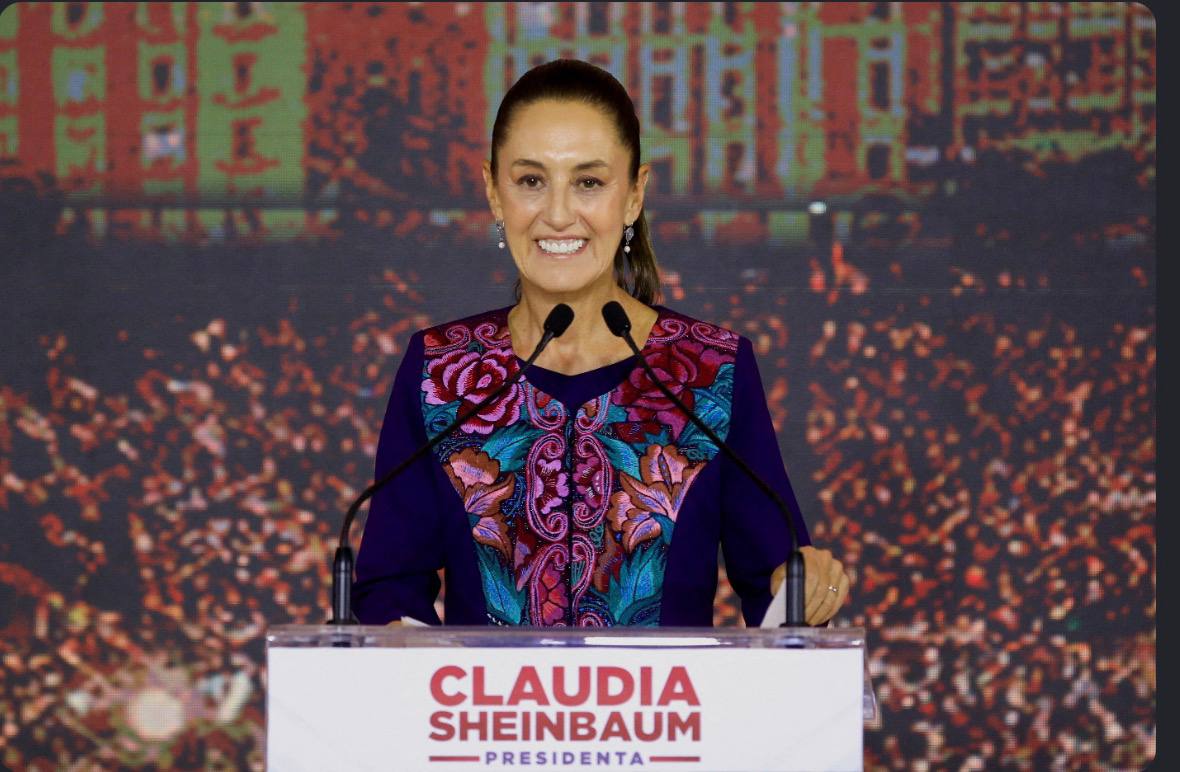
President Claudia Sheinbaum announced the decision during a press conference at the Palacio Nacional, outlining Morena’s domestic agenda, which also includes plans to establish a network of 1,400 new public health clinics.
Sheinbaum confirmed that Interior Secretary Rosa Icela Rodríguez is expected to publish a draft bill establishing a regulatory framework for online sports betting and casino gaming, alongside provisions covering advertising and consumer protection.
Mexico’s Chamber of Deputies is expected to revisit proposals to replace the nearly 80-year-old Federal Law on Games and Lotteries (Ley Federal de Juegos y Sorteos).
In 2025, government ministers called for a review of the legislation to modernise gambling regulations ahead of Mexico co-hosting the 2026 FIFA World Cup. However, Morena rejected the proposed reforms at the time.
Sheinbaum has now indicated a change in position, saying the volume of digital betting advertisements surrounding the World Cup had caught her attention. She added that gambling-related harm and gambling disorders would be incorporated into Morena’s broader public health and welfare strategy.
“It is deeply important that we regulate the digital side of betting and casinos, which could not be considered under existing laws,” Sheinbaum said, adding that the World Cup had drawn her attention to the amount of betting advertising appearing across television networks.
Mexico’s Existing Gambling Framework
Mexico currently authorises gambling through federal permits issued by the Interior Ministry (Secretaría de Gobernación, or SEGOB).
The existing licensing framework was designed primarily around physical establishments, including remote betting centres and number-draw halls, which SEGOB classifies as casinos. These establishments operate across Mexico’s states and Mexico City.
SEGOB also authorises online betting under regulations established pursuant to the 1947 Federal Law on Games and Lotteries. Article 85 allows authorised establishments to accept online bets, subject to approval of their operating procedures.
The ministry maintains a register linking approved gambling websites to their respective federal permit holders.
To date, SEGOB has issued federal permits to 37 gambling businesses, which collectively operate 420 casinos and have registered 137 online brands.
As previously reported by SBC News, the Mexican Association of Gaming Suppliers (AIEJA) has lobbied Morena lawmakers to use the proposed overhaul to strengthen consumer protection and sports integrity while encouraging investment in digital infrastructure, hospitality, tourism and leisure.
The 2026 FIFA World Cup has also created renewed pressure on Mexico to modernise its regulatory framework as international attention on its betting market increases.
50% Gambling Tax Raises Black-Market Concerns
Morena increased gambling taxes ahead of the World Cup. In January 2026, Mexico raised the Special Tax on Production and Services (IEPS) rate applied to betting and draws from 30% to 50%, describing the measure as a ‘sin tax’.
Congress approved the increase in October 2025 as part of a wider excise tax package that also raised taxes on tobacco, sugary drinks and fuel consumption.
The Sheinbaum government cited two main reasons for the increase: discouraging gambling, particularly among young people and adults exposed to online betting, and generating additional revenue for public spending.
The Finance Ministry argued that the consequences of problem gambling, including indebtedness and family breakdown, place additional pressure on Mexico’s healthcare and social assistance services.
The proposal maintained that the additional revenue would support public spending but did not commit to allocating funds specifically to gambling treatment.
Licensed Operators Warn of Market Pressures
Licensed gambling operators have warned that the higher tax burden could give unregulated platforms a competitive advantage while reducing the resources available for reinvestment.
Speaking at SBC Día Digital in February, Codere Online CEO Aviv Sher cautioned that tighter profit margins could slow investment, while reduced marketing expenditure could make licensed platforms less visible to consumers.
“Less marketing means less visibility for regulated platforms,” Sher said.
Sheinbaum’s latest intervention has brought television betting advertising back onto the government’s regulatory agenda.
The scope of the proposed bill will determine whether Morena also addresses wider industry concerns, including online operator licensing, black-market competition and the need to attract investment into digital platforms and land-based gaming establishments.
Editorial note: The strongest news angle is the proposed regulatory overhaul, but the 50% gambling tax provides an important secondary angle. Keeping the two connected makes the article relevant to operators, suppliers, regulators and investors across the iGaming industry.